Plumbing vents might not be the first thing you think about when it comes to your home’s plumbing system, but they play an indispensable role in keeping everything running smoothly. These vents ensure proper airflow within your pipes, allowing waste and water to flow freely while keeping harmful gases out of your living space. In this article, we’ll break down what plumbing vents are, why they’re essential, and how they contribute to the overall health of your home’s plumbing system.
Disclosure: This post may contain affiliate links. If you purchase through these links, I may earn a small commission at no extra cost to you.
With over 13 years in plumbing wholesale, I help homeowners and plumbers choose products that actually work in real installations.
What Are Plumbing Vents, and How Do They Work?
Plumbing vents, also called vent stacks, are vertical pipes that connect to your drainage system and extend through your roof. These pipes are responsible for two main functions:
- Air Pressure Regulation: When water flows through your drainpipes, it creates a vacuum effect. Plumbing vents allow air to enter the system, balancing the pressure and preventing water from being siphoned out of traps.
- Gas Ventilation: Sewer gases, such as methane and hydrogen sulfide, are unpleasant and hazardous. Vent stacks direct these gases out of your home safely, ensuring clean and breathable air inside.
Imagine trying to pour water out of a sealed bottle—it won’t flow smoothly until air can enter. Plumbing systems work similarly. Without vents, your drains would function poorly, leading to clogs, backups, and even damage to your pipes.
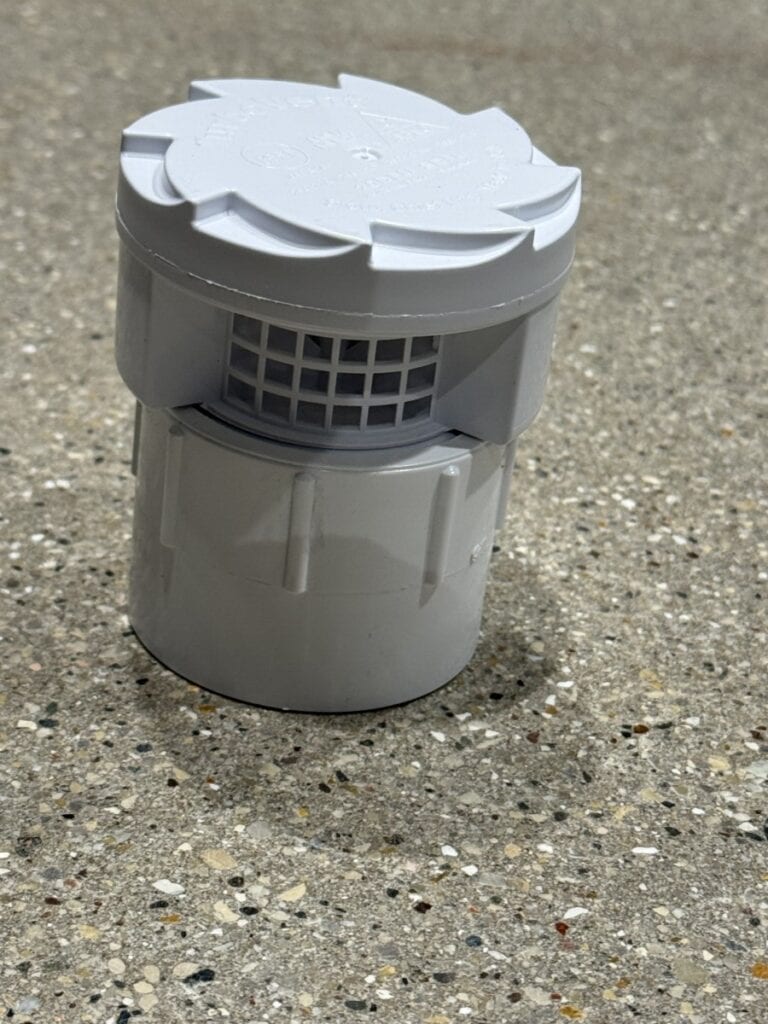
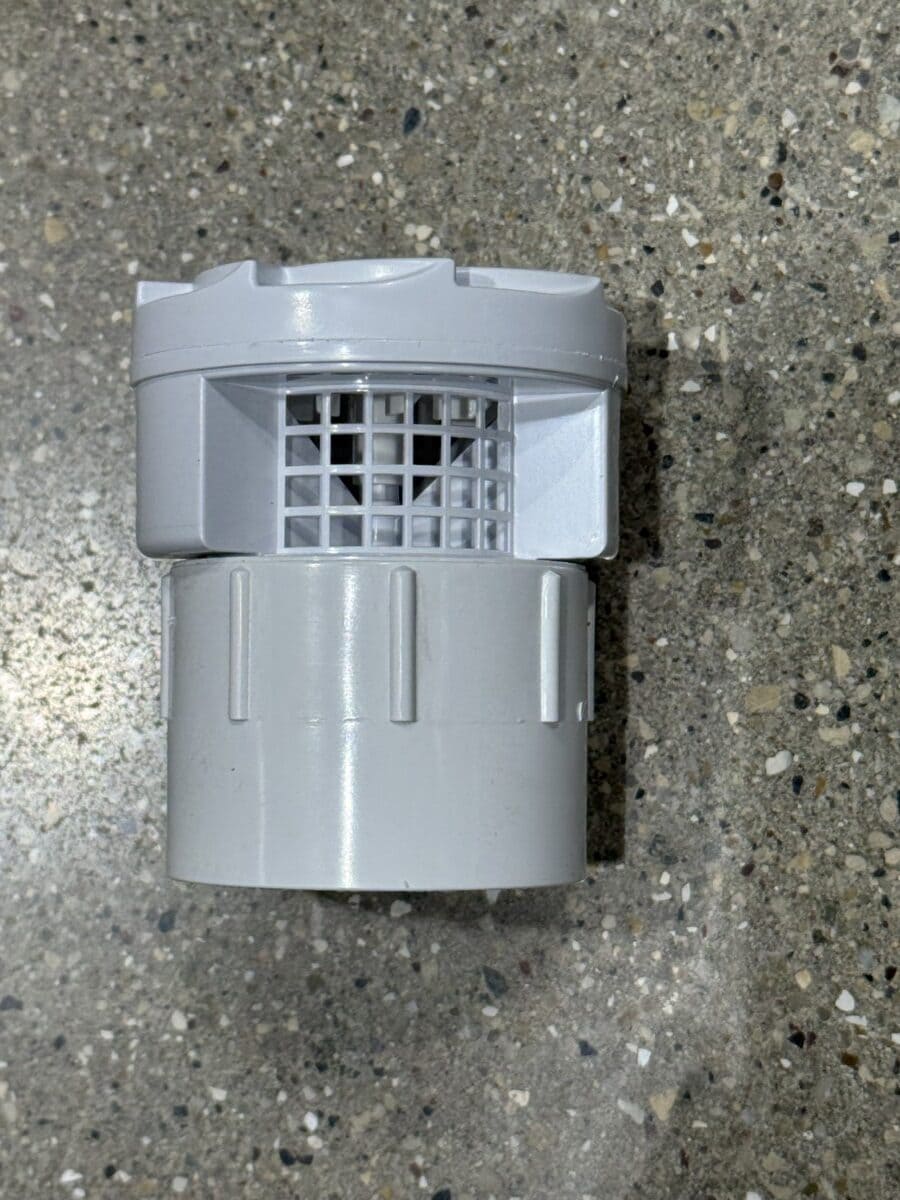
An air admittance valve (AAV) allows air into the drainage system without allowing sewer gases to escape. If you’re looking for a reliable option, this air admittance valve on Amazon is commonly used in residential plumbing applications.
Why Are Plumbing Vents Required in Every Home?
1. Preventing Sewer Gas Buildup
One of the most critical functions of plumbing vents is to prevent sewer gases from entering your home. These gases not only smell bad but can also be harmful to your health. Vents create a direct escape route for these gases, ensuring they don’t build up in your living space.
2. Supporting Smooth Drainage
Ever heard gurgling sounds in your sink or noticed slow drainage? These issues often stem from poor venting. Properly vented systems allow water and waste to move freely through the pipes without creating airlocks or pressure imbalances.
3. Protecting Plumbing Fixtures
Unvented or poorly vented systems can cause damage to your plumbing fixtures. For example, traps in your sinks and toilets could lose their water seal, allowing sewer gases to escape. This could lead to unpleasant odors and health risks.
4. Meeting Building Codes and Standards
Most local building codes require venting for drainage systems. These codes are in place to ensure safety and efficiency, making it essential to comply during construction or renovation.
Common Problems with Plumbing Vents
Blockages
Debris, leaves, and even bird nests can clog vent pipes. These blockages prevent air from entering the system, leading to slow drainage or gurgling sounds in your fixtures.
Improper Installation
Poorly designed venting systems can result in inadequate airflow, leading to the same issues as a clogged vent. For example, vents that are too short or placed in the wrong location may not function effectively.
Aging or Damaged Pipes
Over time, vent pipes can corrode, crack, or become disconnected. This can compromise the efficiency of your plumbing system and require repairs or replacement.
Signs of Venting Issues in Your Plumbing System
- Foul Odors: If you notice sewer-like smells in your home, it’s a clear sign that your vents aren’t working properly.
- Slow Draining Fixtures: Water taking too long to drain could indicate vent blockages or pressure imbalances.
- Gurgling Sounds: Strange noises coming from your drains are often a symptom of venting problems.
- Recurring Clogs: If your pipes clog frequently despite proper maintenance, poor venting might be the culprit.
The Importance of Traps and Vents Working Together
A trap is a U-shaped pipe found under every sink, toilet, and drain. It holds a small amount of water, creating a barrier that prevents sewer gases from escaping into your home. However, traps can only function properly if they’re supported by an effective venting system. Without proper airflow, the pressure imbalance can cause the water seal in traps to be siphoned out, rendering them useless.
Types of Plumbing Vents
1. Main Vent
The primary vent, or stack vent, is the central vertical pipe that extends through the roof. It serves as the main outlet for sewer gases and the entry point for air.
2. Branch Vents
Branch vents connect multiple fixtures to the main vent. These are commonly found in multi-level homes where several bathrooms or kitchens share the same venting system.
3. Air Admittance Valves (AAVs)
Disclosure: As an Amazon Associate, I earn from qualifying purchases. This helps support the site at no extra cost to you.
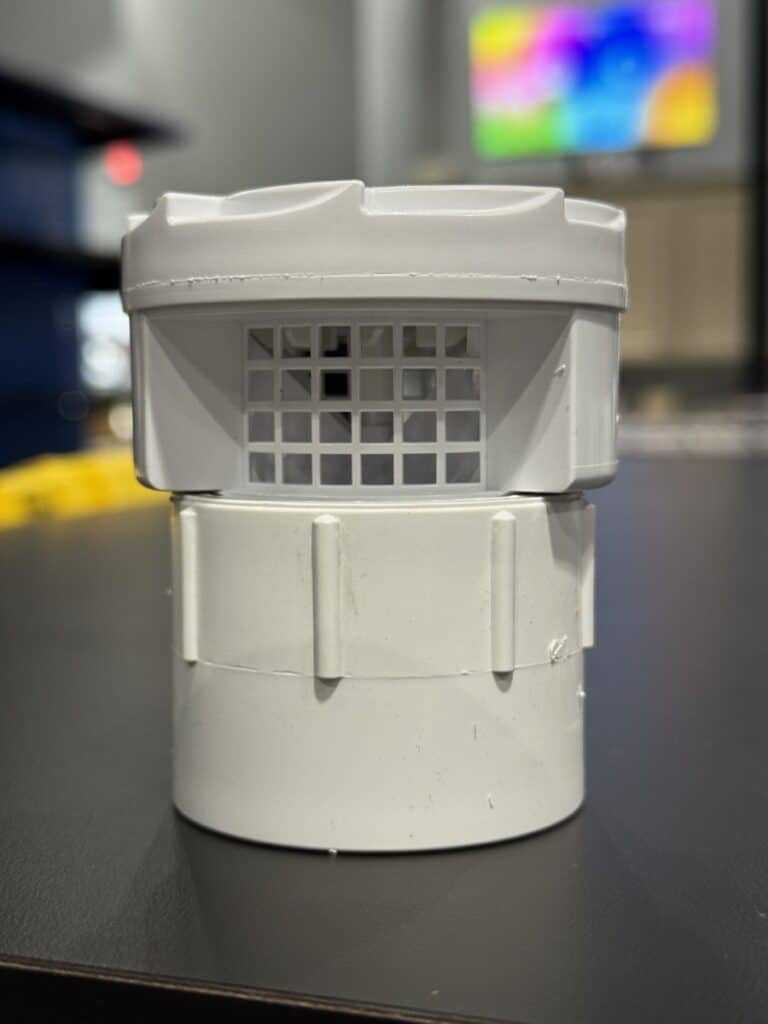
In some cases, especially in older homes or tight spaces, air admittance valves are used as an alternative to traditional vent stacks. These devices allow air to enter the system without needing a roof vent. While convenient, they are not a complete replacement for proper venting and are often used as a last resort.
If you’ve never seen one before, an air admittance valve is a small mechanical vent that opens to let air in and closes to keep sewer gases out.
👉Here’s a highly rated air admittance valve on Amazon that’s commonly used under sinks or in remodels where a roof vent isn’t practical.
DIY Maintenance Tips for Plumbing Vents
While significant venting issues require professional help, homeowners can take steps to maintain their plumbing vents:
- Inspect Your Roof: Check your roof for visible signs of damage to vent pipes, such as cracks or obstructions.
- Clear Blockages: Use a plumber’s snake or a hose to clear minor clogs in vent stacks.
- Watch for Warning Signs: Pay attention to unusual sounds or smells, and address them promptly.
When to Call a Professional Plumber
Not all venting problems can be solved with DIY methods. If you suspect major blockages, improper installation, or aging pipes, it’s time to call a licensed plumber. They can:
- Use specialized tools like cameras to inspect vent pipes.
- Perform repairs or replacements to damaged vent systems.
- Ensure your plumbing meets local building codes.
More Info: Planning for New Construction or Renovation
If you’re building or remodeling a home, working with an experienced plumber to design your venting system is crucial. Here are some considerations:
- Location Matters: Ensure vents are placed strategically to serve all fixtures.
- Material Quality: Invest in durable materials like PVC or ABS to avoid future issues.
- Compliance: Double-check that your plans align with local building codes to avoid costly adjustments later.
Conclusion: Why You Shouldn’t Overlook Plumbing Vents
Plumbing vents are the unsung heroes of your drainage system. They ensure your home stays free of harmful gases, promote efficient drainage, and protect your plumbing fixtures from unnecessary wear and tear. Whether you’re troubleshooting issues or planning a new system, understanding the importance of vents is key to maintaining a safe and functional home.
If you’re experiencing banging pipes or pressure-related noise, you may also want to understand how air chambers work in plumbing systems. I explain this in more detail in my guide on What Is an Air Chamber in Plumbing? And Why They’re Important.
Have a plumbing question you’d like answered next? I’m building this site around real homeowner and contractor questions—feel free to submit one below.
With over 13 years in plumbing wholesale, I help homeowners and plumbers choose products that actually work in real installations.