
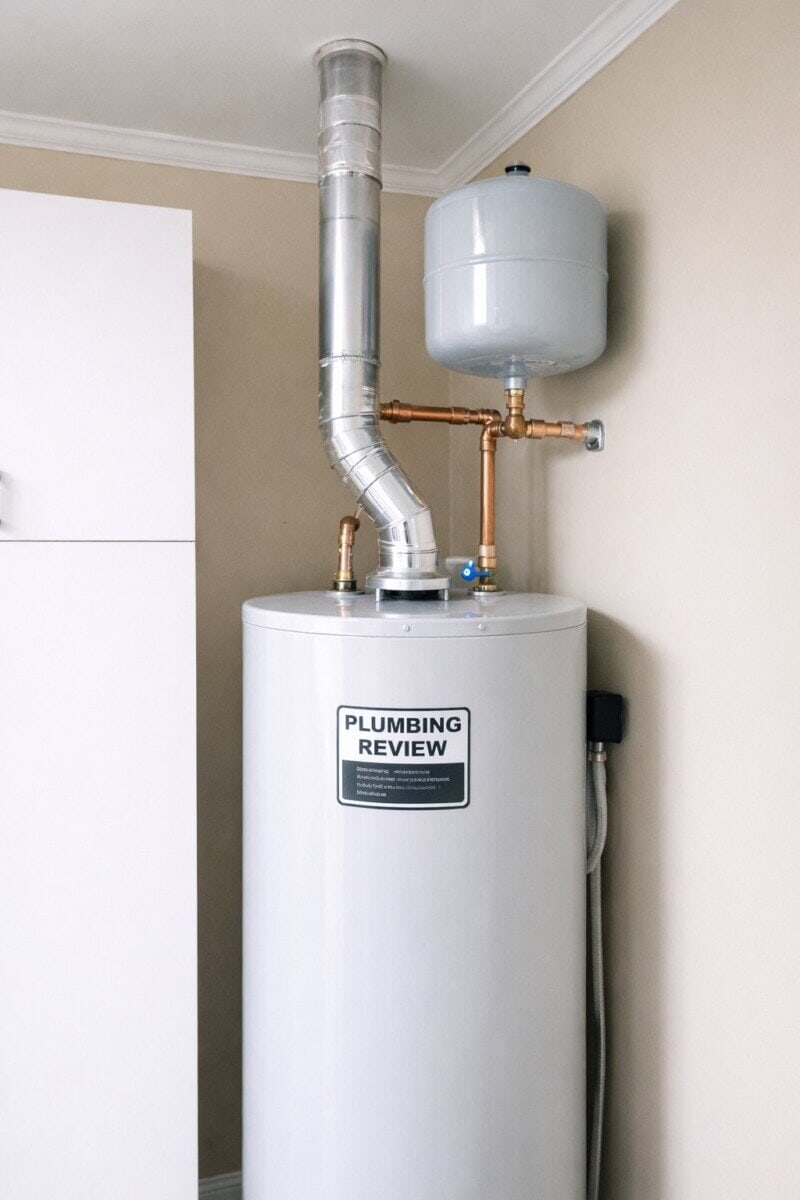
Yes , you may need a water heater expansion tank if your home has a closed plumbing system with a pressure-reducing valve, backflow preventer, or check valve installed on the water line. In these systems, heated water can’t expand back into the supply line, which causes pressure to build inside your plumbing and the expansion tank absorbs that pressure to help protect the water heater and fixtures.
In this guide, I’ll walk you through the most important facts homeowners and professionals should know about expansion tanks — including when they’re required, how they work, whether they’re needed on tankless and well systems, and how they can help extend the life of your plumbing system.
Disclosure
This post may contain affiliate links. If you purchase through these links, I may earn a small commission at no extra cost to you.
Credibility
This guide is based on my real-world plumbing industry experience helping homeowners and contractors choose and install plumbing products, fixtures, and components that actually work in real applications.
What Does a Water Heater Expansion Tank Do?
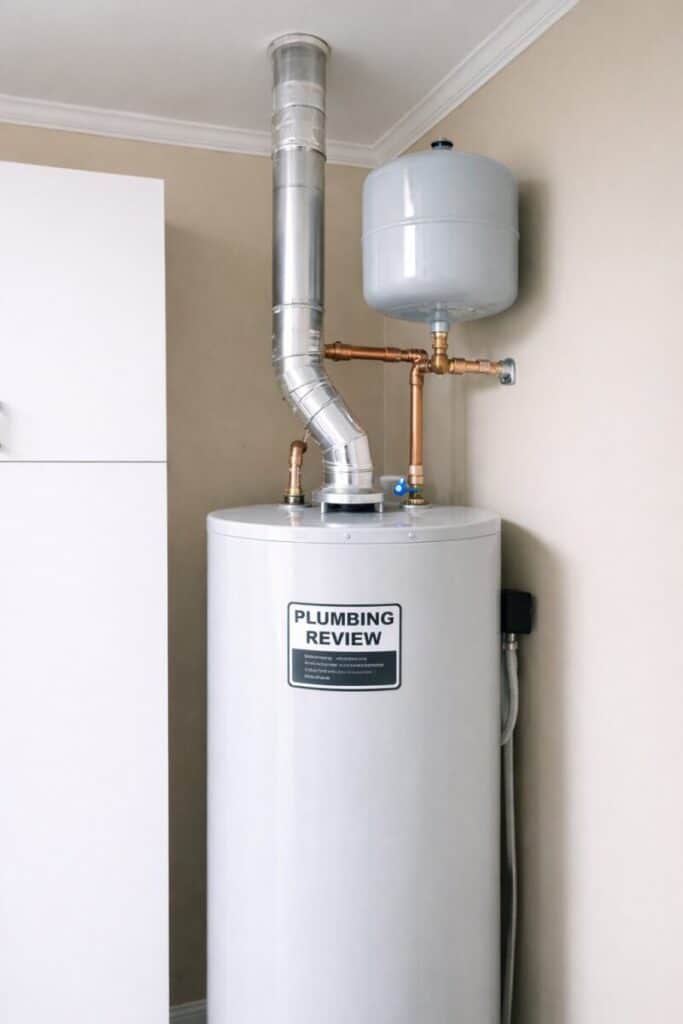
A water heater expansion tank is a small pressurized tank installed on the cold-water line near the water heater. Inside the tank is a rubber bladder and an air chamber. When water heats up and expands, pressure increases in the plumbing system — and the expansion tank gives that extra volume a place to go.
In simple terms, an expansion tank:
- reduces stress on plumbing components
- helps stabilize system pressure
- can extend the life of your water heater
Without expansion protection, pressure spikes can occur during heating cycles, which can wear out valves, fittings, and fixtures over time.
Do I Need a Water Heater Expansion Tank?
You likely need an expansion tank if your plumbing system includes:
- a pressure-reducing valve (PRV)
- a backflow preventer
- or a check valve on the main water line
This creates what is known as a closed plumbing system.
In a closed system, expanded water cannot move backward into the city main. Instead, pressure increases inside the home — and the expansion tank absorbs that pressure before it stresses the plumbing.
Some older homes still operate as open systems, where expanded water can flow back toward the supply line. These may not require an expansion tank, but many areas still recommend installing one when replacing a water heater.
The goal isn’t to “fix a problem” — it’s to prevent long-term pressure damage.
What Is a Closed Plumbing System?
A closed plumbing system is a plumbing setup where water cannot flow backward into the city water main or well system. This usually happens when a home has a:
- pressure-reducing valve (PRV)
- backflow preventer
- or check valve installed on the water service line
These devices are important for safety and water quality — but they also isolate the plumbing system. When water heats up and expands, the extra volume has nowhere to go, so pressure increases inside the home. That is why expansion tanks are commonly used in closed systems.
In an open plumbing system, expanded water can move back toward the supply line, so pressure doesn’t increase in the same way.
I’ll be publishing a future guide that explains how to tell whether your home is an open or closed system.
Signs That You May Need an Expansion Tank
You may benefit from an expansion tank if you notice:
- your T&P (temperature and pressure) relief valve drips occasionally
- your pipes bang or vibrate when using hot water
- faucet cartridges or toilet fill valves fail more often than normal
- water pressure rises temporarily after heating cycles
- your plumber or inspector confirms your system is closed
These are common signs of thermal expansion pressure.
They may not cause immediate failure — but they can shorten the lifespan of plumbing components.
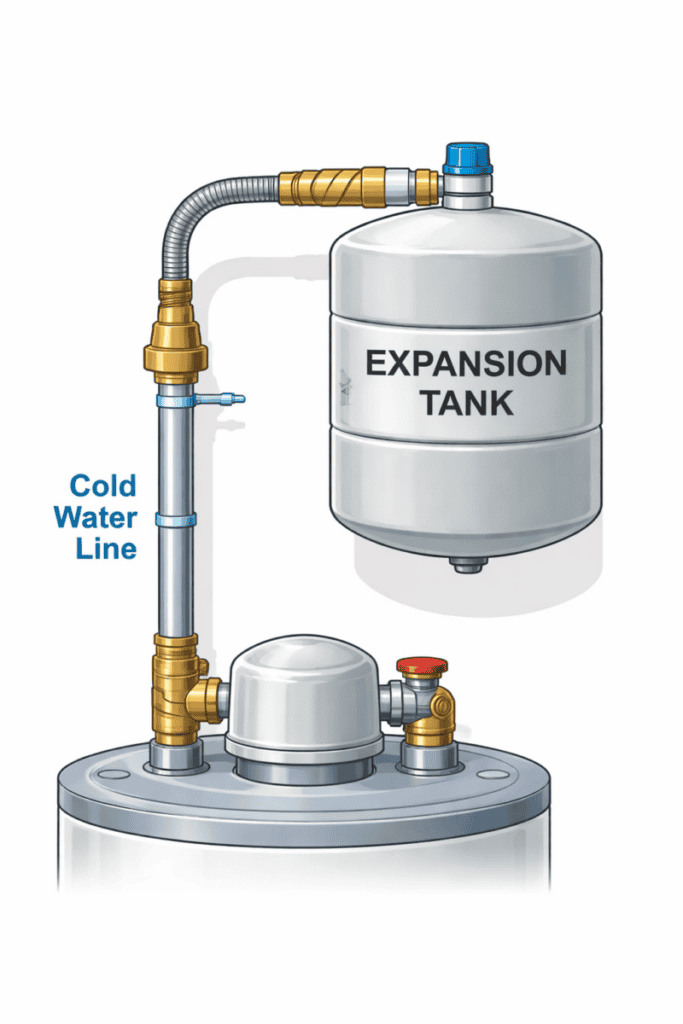
When adding or replacing an expansion tank, it’s important to select the correct size and factory pressure rating. Here is an example of a commonly used residential expansion tank for typical home systems. Always verify with a professional before installing.
What Happens If You Don’t Have an Expansion Tank?
Without expansion protection in a closed system, pressure increases during heating cycles. Over time, this may lead to:
- nuisance dripping from the T&P valve
- added stress on water heater weld seams
- premature wear on plumbing fixtures and valves
- increased strain on supply lines and fittings
This doesn’t always cause an immediate leak or failure.
But expansion tanks are designed to limit repeated pressure fatigue across your plumbing system.
They function as a small — but meaningful — protection component.
Do All Homes Need an Expansion Tank?
No — not every home requires one.
You may not need an expansion tank if:
- your plumbing system is open
- there are no check valves or PRV installed
- your local plumbing code does not mandate one
However…
Many municipalities now require an expansion tank when:
- replacing a water heater
- adding a PRV
- or upgrading to a closed system
Even where not required, many plumbers recommend them as preventative protection.
The best approach is to:
- determine whether your plumbing system is open or closed
- and review local code or inspection guidelines
Do Tankless Water Heaters Need an Expansion Tank?
Short Answer: Tankless water heaters usually do not need an expansion tank because they do not store hot water. However, if the home has a closed plumbing system, expansion protection may still be recommended or required by code.
Tankless units don’t store heated water in a tank, so they don’t experience the same type of thermal expansion as traditional water heaters. Because of this, many tankless systems do not require an expansion tank for normal operation.
However — pressure changes can still occur in closed plumbing systems.
If the system includes:
- a PRV
- a backflow preventer
- or isolation check valves
an expansion tank may still be recommended to help protect the plumbing system — not just the heater.
Always follow manufacturer instructions and local code requirements.
Do You Still Need an Expansion Tank If You’re on a Well System?
Short Answer: A well pressure tank often absorbs most thermal expansion in many well systems. However, if the system is partially closed by check valves or pressure devices, a separate water heater expansion tank may still be beneficial.
Homes on well systems already use a well pressure tank, which helps regulate pressure and store water.
In many well setups, the pressure tank absorbs most thermal expansion.
However — this is not true in every configuration.
Here’s the simple breakdown:
- Open well system → well tank often provides adequate expansion control
- Partially closed well system → may still benefit from a dedicated expansion tank
Well systems vary widely between homes.
The best approach is to:
- confirm whether water can freely move between the plumbing and well tank
- or whether valves isolate part of the system
A local plumber can verify system type and best practice.
How Long Does an Expansion Tank Last?
Most expansion tanks last around 5–10 years, depending on:
- system pressure
- water quality
- operating temperature
- installation support
- manufacturer design
Over time, the internal bladder can weaken and lose pressure.
Common signs of failure include:
- tank feels heavy and full of water
- no hollow sound when tapping the tank
- pressure fluctuations return
- T&P valve starts dripping again (linked a common T&P)
When the bladder fails, the tank becomes waterlogged and should be replaced.
Where Should a Water Heater Expansion Tank Be Installed?
Most expansion tanks are installed:
- on the cold-water line
- near or above the water heater
- in an upright, properly-supported position
Best practice includes:
- matching tank pre-charge pressure to incoming water pressure
- using proper support straps or brackets when needed
- following manufacturer installation instructions
Always follow local code requirements.
Can an Expansion Tank Extend the Life of a Water Heater?
In many cases — yes.
Expansion tanks can:
- reduce stress on the water heater tank
- minimize thermal expansion pressure fluctuations
- reduce nuisance valve cycling
They are not a cure-all — but in closed systems, they are a smart preventative upgrade that helps reduce repetitive stress over time.
Many plumbers now consider expansion tanks a standard part of modern water heater installations.
Quick Summary — Do You Need One?
You likely need an expansion tank if:
✔ You have a closed plumbing system
✔ You have a PRV or check valve
✔ Your T&P valve drips occasionally
✔ Local code requires expansion protection
You may not need one if:
▫ Your system is open
▫ There are no isolation valves
▫ Your municipality does not require one
Even when not required, expansion protection is often recommended as preventative support.
Related Reading
👉 What Is an Air Chamber in Plumbing? And Why They’re Important
FAQ — Expansion Tank Common Questions
Do expansion tanks require maintenance?
Expansion tanks do not require routine servicing, but they should occasionally be inspected to confirm they are supported, not corroded, and not waterlogged. Check the PSI on the unit to make sure it’s operating at the manufacturers recommended PSI.
Can I install an expansion tank myself?
Some homeowners install them DIY, but proper:
- pressure matching
- support bracing
- and code-compliant placement
are important — many installations are best handled by a qualified plumber.
Do expansion tanks increase water pressure?
No — expansion tanks do not increase water pressure.
They help absorb excess pressure created when heated water expands.
Can an expansion tank fail?
Yes — over time the internal bladder can fail and the tank becomes waterlogged. When that happens, the expansion tank should be replaced. Pro tip💡 : Keep your invoice to help keep track if your expansion tank is under warranty.
Are expansion tanks required everywhere?
Requirements vary by city, state, and inspector.
More areas are requiring them during water heater replacement — especially in closed systems.
Conclusion
Water heater expansion tanks play an important role in homes with closed plumbing systems. They help manage thermal expansion, reduce pressure fluctuations, and protect plumbing components from unnecessary stress. And in many areas, they are now required when installing or replacing a water heater.
If you’re unsure whether your home needs an expansion tank, the best next step is to determine whether your plumbing system is open or closed — and review your local code requirements or installer recommendations.
I’ll also be publishing a future guide that explains how to identify whether your system is open, closed, or partially isolated — so you can better understand how expansion protection applies to your specific home.
Thanks for reading and being apart of this community!